In today’s fast-paced world, most women are multitaskers, juggling responsibilities at work, at home, and in social spaces. Amidst all of this, a critical aspect of health is often overlooked: POSTURE.
Poor posture doesn’t just affect your appearance; it plays a crucial role in your spinal health, energy levels, and even confidence.
Why Posture Matters More for Women?
Women’s bodies undergo several changes at different stages of life, like puberty, pregnancy, childbirth, and menopause. Each stage brings about shifts in pelvic alignment, core stability, and spinal loading. Combined with daily activities like prolonged sitting, childcare, and device usage, these factors can contribute to postural strain and chronic discomfort.
Common Postural Issues in Women
- Forward Head and Rounded Shoulders: Often from desk jobs, phone use, or nursing positions.
- Anterior Pelvic Tilt and Increased Lumbar Curve (lordosis): Seen in women with weak abdominal muscles or post-pregnancy core instability and hormonal factors.
- Knee Hyperextension and Flat Feet: These postural compensations, which alter the alignment of the knee, hip, and ankle joints, can have a direct impact on spine health.
How Small Changes Make A Big Difference?
Improving posture doesn’t require drastic measures. Even subtle adjustments in your daily routine can relieve stress on your spine and joints. Here’s how:
- Set up an ergonomic workspace
Align your screen to eye level and support your lower back with a cushion. It keeps your spine in a neutral position throughout the day.
- Be mindful of your sitting posture
Sit tall, don’t slouch, avoid crossing legs for long periods, and take breaks every 30–45 minutes.
- Practice gentle stretches
Especially for the chest, neck, hip flexors, and glutes, which are often tight due to prolonged sitting.
- Strengthen postural muscles
Engage in exercises that build the core, upper back, and gluteal muscles.
How CSSH Supports Women’s Postural Health?
CSSH’s ‘Her Healthy Spine’ program is designed for women’s unique needs. The program offers:
- Detailed postural assessments for women
- Customized therapeutic exercise plans
- Antenatal care and postpartum posture care
- Ergonomic advice for work and home
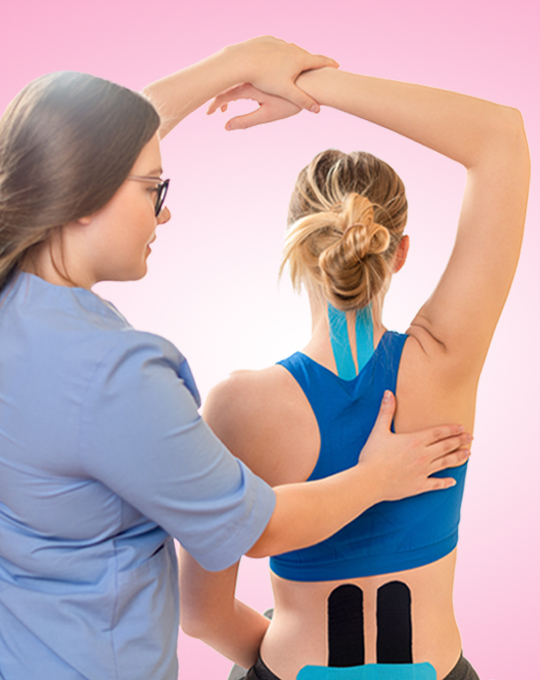
- Manual therapy for postural tension and pain relief
Whether you’re a student, professional, new mother, or navigating menopause, we tailor care to support your spinal health at every stage.
Final Thoughts
Good posture is not about standing stiffly. It is about finding the right balance in your body, reducing unnecessary strain, and moving with ease. With greater postural awareness and support from professionals, women can experience increased energy, reduced pain, and an improved quality of life.
At CSSH, we believe in empowering women to make small yet conscious changes that lead to long-term relief and better spinal well-being.
Authored by :
Varsha Gadaley
Sports Physiotherapist, CSSH