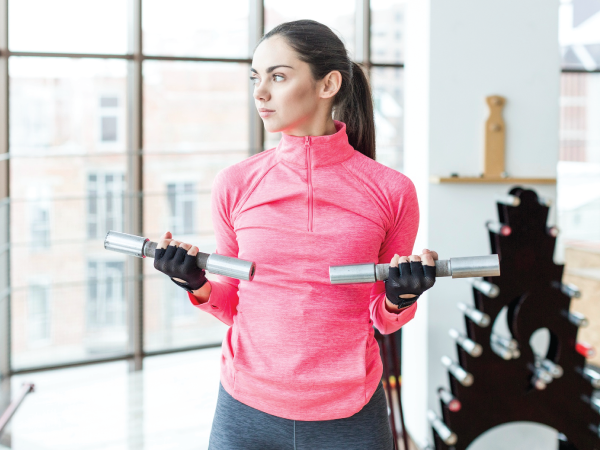
When most people hear the word ‘core,’ they often picture toned abdominal muscles. But the true core is much deeper and more functional than a flat stomach. It’s about stability, posture, balance, and coordination.
What Is the Core?
Your core isn’t just your abs. It’s a group of deep muscles that include:
- Transversus abdominis (deepest abdominal muscle)
- Mudus (tiny stabilizers along the spine)
- Pelvic floor muscles
- Diaphragm
- Obliques and rectus abdominis
- Erector spinae and gluteals
Together, these muscles act like a natural corset, supporting your spine, stabilizing your pelvis, and protecting your body from injury during movement.
Why the Core-Spine Connection Matters?
-
Reduces Load on Lower Back
Weak core muscles can lead to instability in the spine, placing excess stress or load on the lower back and triggering discomfort or chronic pain.
-
Improves Posture
A strong core keeps your spine aligned and upright, reducing slouching and uneven hip tilt.
-
Protects During Everyday Movements
Whether you’re lifting a child, sitting for long hours, or exercising, core stability helps you move efficiently and safely.
-
Supports Women Through Life Phases
Pregnancy, childbirth, and menopause can weaken or disrupt core muscle coordination. Rebuilding this connection is essential for the pelvic and spinal health of women.
Core Strengthening: It’s Not About Crunches
Many traditional abdominal exercises such as crunches or sit-ups, can strain the neck and spine, especially when done incorrectly or without targeting the deeper core layers.
How CSSH Can Help?
At CSSH, we emphasize the core-spine connection, especially for women, because a strong, well-coordinated core is essential for a healthy back, pain-free movement, and long-term spinal health. We focus on functional core activation, including:
- Diaphragmatic breathing
- Pelvic floor training
- Transversus abdominis engagement
- Obliques activation
- Glute and lower back coordination
- Safe postnatal core recovery plans
These exercises are gentle, progressive, and tailored to your body’s specific needs.
In addition, through our ‘Her Healthy Spine’ program, we offer:
- Individualized core assessments
- Pain-free core activation techniques
- Postnatal and menopausal core rehab
- Supervised exercise sessions for spinal stability
- Education on daily movement mechanics
We don’t just help you build a strong core. We guide in creating a connected and strong core, supporting your spine at every step.
Final Thoughts
True core strength isn’t just about aesthetics; it’s about function, support, and resilience. Strengthening the correct muscles in the right way can help you stand taller, move better, and live with less pain.
With ‘Her Healthy Spine,’ we help women rediscover their core, not for the mirror, but for their spine, health, and confidence.
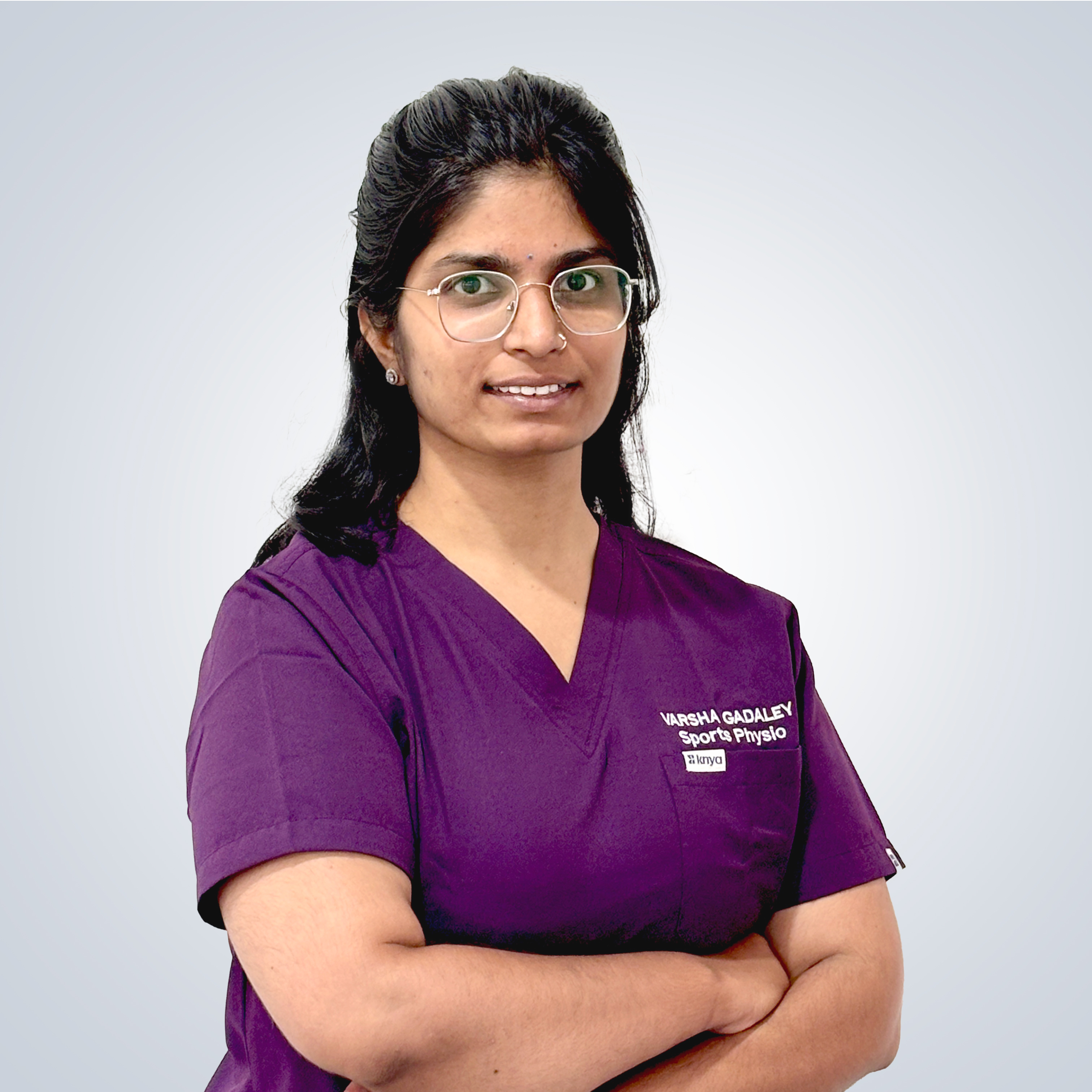
Authored by :
Varsha Gadaley
Sports Physiotherapist, CSSH